World
Iran-US Gulf standoff turns violent, yet Brent keeps falling
Reported Iranian strikes, tanker incidents and a hardened US stance, while Brent sits near $89. What it means for UK fuel.
Andy Burnham signed food, carbon and youth scheme deals in Brussels, but a tuition fees dispute and six months of talks hold up implementation until 2028.
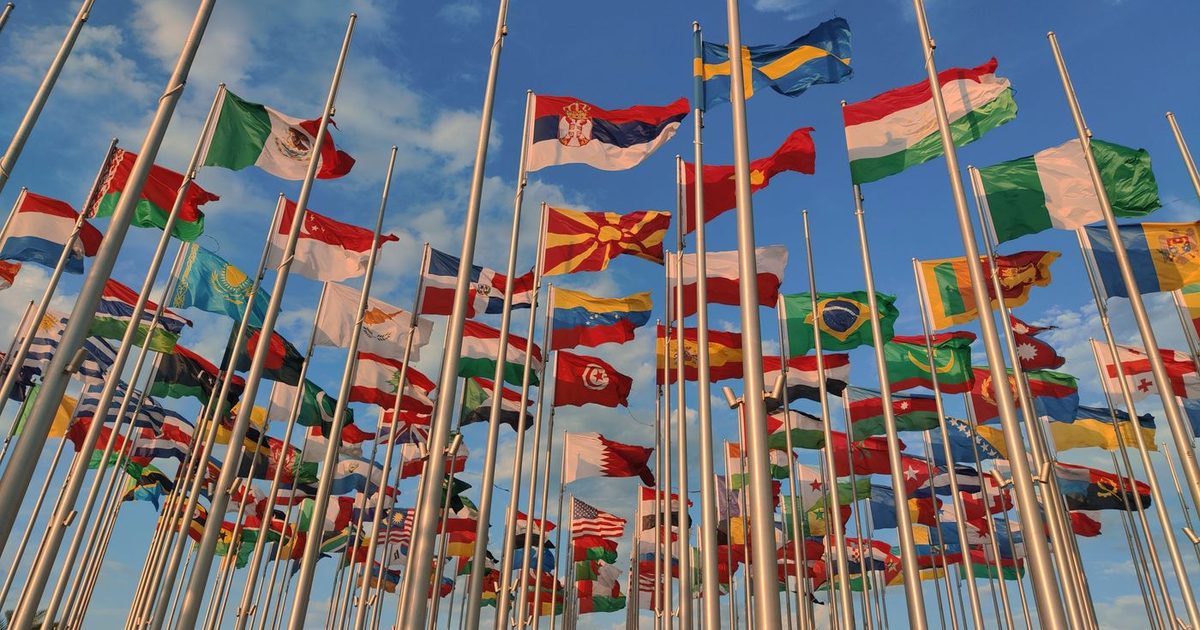
Prime Minister Andy Burnham signed three agreements with the European Union in Brussels on Friday 20 November 2026, covering food and farming rules, carbon markets and a youth experience scheme. The deals mark the biggest step in rebuilding UK-EU ties since Brexit, but an unresolved dispute over university tuition fees means implementation is delayed.
Mr Burnham met European Commission President Ursula von der Leyen and European Council President Antonio Costa. Downing Street said the package was settled within an hour of his arrival, according to ABC. Mr Burnham called it a good day for Britain and Europe and a win-win.
The UK government says the package could be worth £17 billion a year to the economy, according to MarketScreener's report, with the food deal alone worth up to £5.1 billion a year, according to RTE. These are government claims, and we have found no independent estimate from bodies such as the Office for Budget Responsibility.
The summit was overshadowed in the markets by the global technology sell-off, and sterling barely reacted.
The food and agriculture agreement creates a shared sanitary and phytosanitary (SPS) area. In plain terms, it aims to remove most of the health and safety checks and paperwork that slowed UK food and drink exports to the EU after Brexit. RTE reported that customs paperwork for food and drink firms remains.
The emissions trading deal links the UK and EU carbon markets, so firms are not charged twice for carbon. Steel and similar goods would be exempted from each side's carbon border levy. Alignment wording in the text says the UK will ensure outcomes consistent with relevant EU measures in the cooperation sectors.
The youth experience scheme allows reciprocal stays of up to three years for work, study or travel, capped at 100,000 on each side every year. EU diplomats told RTE that Britain first proposed 50,000. Reports differ on the age limit, with AFP saying under 30 and ABC saying under 32, so we do not state one.
The EU wants EU students to be charged the same fees as UK students at British universities. Talks on this are expected to take about six months. According to AFP and RTE, EU states have said implementation of all three deals is delayed until a fees agreement is reached. LBC reported that a deal could cut what EU students pay from up to £38,000 a year to £9,970, though that framing is LBC's and we have not verified it. The Common Travel Area with Ireland is unaffected.
On cars, Britain wants special status under EU Made in Europe rules. RTE reported that the EU would grant it only if the UK aligns with its curbs on Chinese electric vehicle imports, which London has so far resisted.
Mr Burnham said the status quo was not working and the last decade had been drift, and called the package probably the limit of what this parliament can deliver. He said he would not get ahead of public opinion, and plans informal brainstorming over the next 12 months on long-term options, according to LBC and AFP. Ms von der Leyen called it a turning point, and Mr Costa said the EU is open to the closest possible relationship.
Reform UK leader Nigel Farage held a separate Brussels press conference, calling the deal a reversal rather than a reset and saying Mr Burnham had no mandate. Conservatives and Reform accuse the government of betraying Brexit, according to AFP. Liberal Democrat leader Ed Davey called the youth scheme a big step forward but nowhere near enough.
Helen Dickinson of the British Retail Consortium called the SPS deal a big win and said less friction would cut costs, including for goods moving to Northern Ireland, but asked for clear and early guidance and at least 18 months to adapt. Irish Taoiseach Micheal Martin welcomed it as a significant step.
Britain left the EU more than six years ago, and the referendum was ten years ago. The deals build on a reset begun under Mr Burnham's predecessor, whom he credited in his remarks, according to AFP. In September, Mr Burnham used his Labour conference speech to outline changes on Brexit. The package stays within the government's stated red lines of no return to the single market, the customs union or free movement, according to LBC and ABC.
The next general election is due by mid-2029.
The pound was around $1.31 and €1.19 at Friday's close and barely moved on the news, according to MarketScreener. The UK 10-year gilt yield fell 8 basis points to 5.24% on safe-haven buying during the equity sell-off, according to Bloomberg. Same-day UK data showed October retail sales up 0.7% on the month and public borrowing of £17.0 billion, below the £18.0 billion expected.
Food exporters and retailers would be the main winners from SPS alignment, with steel and carbon-intensive exporters gaining from the carbon levy exemption. Gains depend on how soon the rules apply.
The six-month fees negotiation runs to about May 2027. Legislation and approval by the UK and European parliaments must follow, with implementation targeted for 1 March 2028. Some UK legislation could reach Parliament as early as the following week, according to ABC.
Businesses should watch for guidance on the new rules, and the details of how closely UK standards must follow EU law.
Sources: AFP via The Jakarta Post (21 November 2026); ABC Australia (21 November 2026); RTE (20 November 2026); LBC (21 November 2026); MarketScreener (20 November 2026); Bloomberg via The Derrick (20 November 2026).
Photo: Pexels.
Three deals covering food and farming checks, linked carbon markets and a youth experience scheme.
Implementation is targeted for 1 March 2028, subject to a tuition fees agreement and parliamentary approval.
The EU wants EU students to pay home fees at UK universities. Talks are expected to last about six months.
The UK government claims £17 billion a year, but no independent estimate has been published that we could find.
No. The government says it stays within red lines of no single market, customs union or free movement.
Reported Iranian strikes, tanker incidents and a hardened US stance, while Brent sits near $89. What it means for UK fuel.
Ukraine says it sank a Russian corvette in Libya; a Russian ship burned off Finland. What is verified and the risks.
The COP31 climate talks in Antalya ended on 22 November with no agreed outcome after the EU and others rejected a draft that left out fossil fuels.
The Saudi-Houthi war widened on 19-21 November with missiles on Riyadh and port threats. What it means for oil, UK fuel prices and inflation.
Top stories and analysis, straight to your email. No spam – unsubscribe any time.
By subscribing you agree to our Privacy Policy.