World
Iran-US Gulf standoff turns violent, yet Brent keeps falling
Reported Iranian strikes, tanker incidents and a hardened US stance, while Brent sits near $89. What it means for UK fuel.
The Saudi-Houthi war widened on 19-21 November with missiles on Riyadh and port threats. What it means for oil, UK fuel prices and inflation.
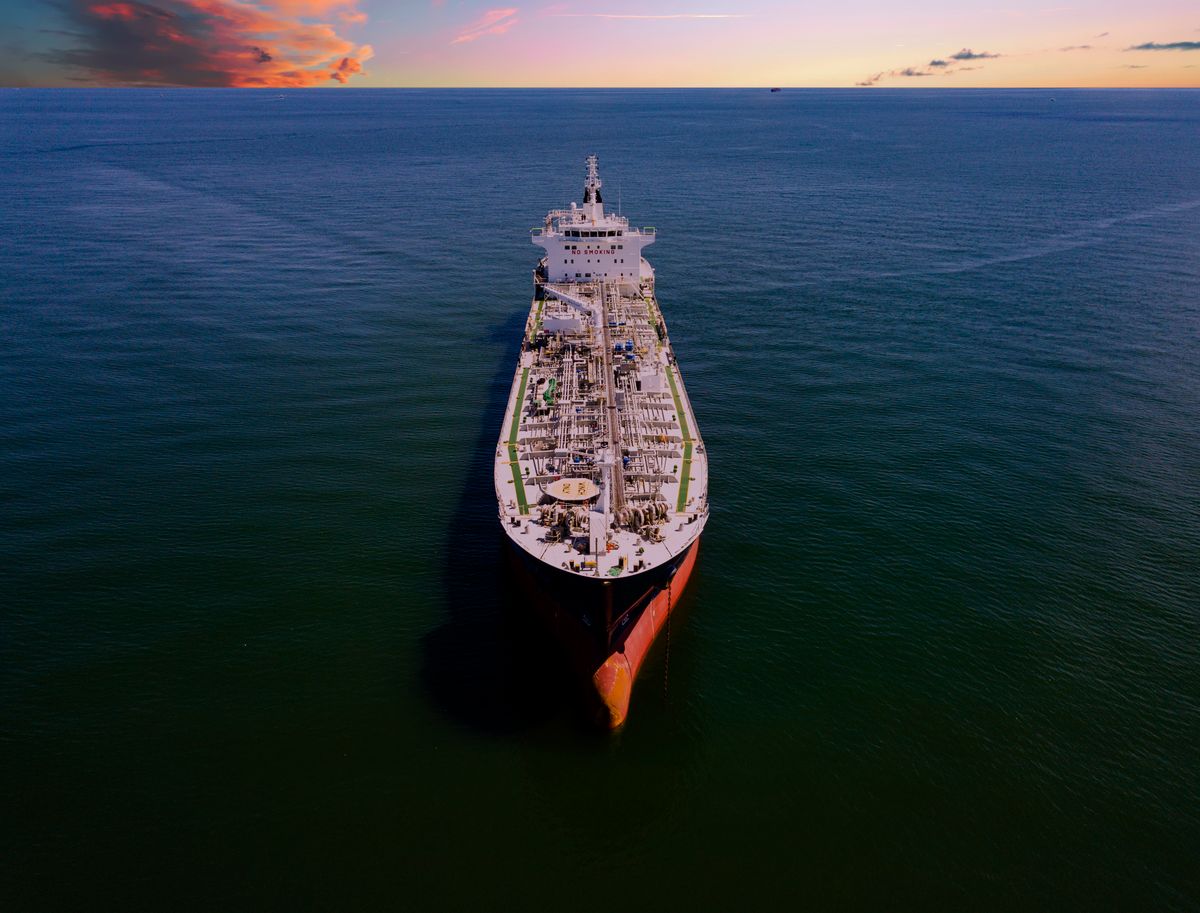
The war between Yemen's Houthi movement and a Saudi-led coalition widened sharply between 19 and 21 November 2026, with missiles fired at Riyadh, heavy air strikes on Houthi-held areas, and threats from each side against key ports. On Saturday 21 November the coalition said it had intercepted three Houthi ballistic missiles fired at the Saudi capital, according to Al Jazeera, which cited AFP.
The escalation matters well beyond Yemen. Saudi Arabia's Red Sea coast, including the port of Yanbu, is central to the kingdom's alternative export route if shipping through the Strait of Hormuz is disrupted, and the fighting comes as Brent crude has been falling on expectations of a global surplus. For the UK, higher energy costs have been a main driver of inflation, which reached 3.6% in October and prompted the Bank of England to raise Bank Rate to 4% on 5 November.
This report sets out what has been verified, what is claimed by one side only, and why markets and British households are watching. Houthi damage claims and casualty figures have not been independently confirmed and are labelled as such.
The Houthis, who are aligned with Iran, fired missiles at Riyadh on Thursday 19 November. Saudi civil defence, through the state news agency, confirmed material damage to several floors of the Public Investment Fund tower, the headquarters of the kingdom's sovereign wealth fund, and nearby buildings, and said nobody was hurt, according to Reuters.
On Friday 20 November, Houthi military spokesman Yahya Saree threatened Saudi Red Sea ports, naming Jeddah, if Hodeidah port was struck, and urged port workers and shipping companies to evacuate. Hours later the Saudi-led coalition announced what it called a special operation, with spokesman Turki al-Malki saying it hit Hodeidah port facilities used for smuggling and moving weapons and ballistic missiles, as well as a main supply depot and missile and drone capabilities in Sanaa. Al Jazeera's correspondent in Sanaa described them as the heaviest air strikes since the conflict began.
Yemen's internationally recognised government defended the strikes, saying the Houthis use Hodeidah to receive smuggled Iranian weapons, and said the port remained operational. The coalition urged civilians to leave areas around the port. Riyadh's emergency alerts sounded for a third consecutive day, with eight public alerts in the 24 hours from Friday morning, Al Jazeera reported.
The Houthis claimed further attacks, including on Riyadh's financial district, a petrochemical complex in Jubail, an air base and Riyadh's international airport, and said they were retaliating for Saudi strikes. Saudi authorities did not confirm those claims, and casualty figures given by the Houthi side, ranging from 19 dead to "dozens", have not been verified. Readers should treat these as claims rather than established facts. Analysis published on 21 November reported that two missiles aimed at the port of Jazan were intercepted, but that source is an analytical newsletter rather than a news agency.
Saudi Arabia intervened in Yemen in 2015 after the Houthis seized the capital, Sanaa. An informal truce collapsed in July 2026, according to Organiser and Investinglive reports, and the Houthis are now advancing towards Aden, the government's de facto capital, while besieging Taiz, where residents report fuel and water shortages. More than 350,000 people have been displaced, Al Jazeera reported. Earlier in November, Saudi-backed government forces withdrew from areas near the Bab al-Mandeb strait.
The fighting runs alongside the US-led war on Iran that began in February 2026. Iranian support for the Houthis is well documented, but one analysis said there is no evidence that Tehran directed the latest launches. Pakistan's foreign minister condemned the attack on Saudi Arabia, and the United Nations said it was following events with concern and warned that continued fighting could threaten aid routes.
Oil has fallen despite the headlines. Reuters reported that Brent was heading for a third straight weekly fall on Friday, with Hormuz flows back near pre-war levels and a surplus expected. A blog summary put Brent's settlement at $92.57, so about $92, compared with a peak of $117.64 on 30 October, though that source is secondary. Rakuten Securities analyst Satoru Yoshida said the Houthi attacks revived supply worries, while BNP Paribas's Aldo Spanjer said prices only look right if geopolitical risk does not return.
The International Energy Agency has described the Middle East conflict as the biggest disruption to global oil and gas trade ever. It put cumulative losses at 2.8bn barrels of oil and 60bn cubic metres of Gulf gas. Saudi crude exports rose about 21% from August to September, to 5.38 million barrels a day, the highest since February, according to JODI data cited by Reuters. Analysts note that Yanbu on the Red Sea is a major export outlet, which is why threats to Red Sea ports draw attention, although no confirmed disruption to shipping or exports had been reported at the time of writing.
October inflation of 3.6% was driven in part by fuel, with motor fuel prices up 33.2% on a year earlier and diesel at a record average of 199.5p a litre, according to a summary of ONS data. The Bank of England expects inflation to peak near 5% in the second quarter of 2027, and its forecast assumed Brent averaging about $108 in late October, well above current levels.
There was some relief at the pumps. Government weekly figures for the week of 16 November put petrol at 167.07p a litre and diesel at 196.77p, and live averages on 22 November were about 161p and 192.5p, according to PetrolPrices.co.uk. The RAC's Simon Williams said petrol could fall below 150p if wholesale falls are passed on, and the CMA has said it expects rapid and full pass-through. The Ofgem price cap is expected to rise to about £2,150 in the first quarter of 2027 from £1,723, according to the Bank's report.
The things to watch are a coalition strike on Hodeidah port, any Houthi attack on Jeddah, Yanbu or Jazan, and confirmed damage to Saudi output or exports. OPEC+ meets on 29 November, US inventory reports are due on 24 November, and the Bank of England decides on rates on 17 December. Because markets were closed on 21 and 22 November, Friday's close is the latest oil price.
Sources: Al Jazeera (21 November 2026) and Al Jazeera via Yahoo (20 November 2026); Reuters via RTÉ, MarineLink and GV Wire (19-20 November 2026); Organiser (21 November 2026); Bank of England Monetary Policy Report (5 November 2026); Karmactive summary of ONS inflation data (19 November 2026); PetrolPrices.co.uk (22 November 2026); Grid North Risks analysis (21 November 2026). General information, not financial advice.
Photo: Pexels.
Houthi missiles hit a tower in Riyadh on 19 November, and on 21 November the Saudi-led coalition said it intercepted three more missiles aimed at the city.
Ports such as Yanbu are a major outlet for Saudi crude and offer a route that avoids the Strait of Hormuz, so threats to them draw market attention.
No confirmed disruption to Saudi exports had been reported, and Brent was falling on Friday, though analysts warn risk could return.
Higher oil prices feed into pump prices and inflation; recent falls in wholesale prices are starting to appear at forecourts, according to the RAC.
Claims about hits on the airport and petrochemical sites were not confirmed by Saudi authorities and should be treated as unverified.
OPEC+ ministers meet on 29 November, and the Bank of England announces its next rates decision on 17 December.
Reported Iranian strikes, tanker incidents and a hardened US stance, while Brent sits near $89. What it means for UK fuel.
Ukraine says it sank a Russian corvette in Libya; a Russian ship burned off Finland. What is verified and the risks.
Andy Burnham signed food, carbon and youth scheme deals in Brussels, but a tuition fees dispute and six months of talks hold up implementation until 2028.
The COP31 climate talks in Antalya ended on 22 November with no agreed outcome after the EU and others rejected a draft that left out fossil fuels.
Top stories and analysis, straight to your email. No spam – unsubscribe any time.
By subscribing you agree to our Privacy Policy.