World
Iran-US Gulf standoff turns violent, yet Brent keeps falling
Reported Iranian strikes, tanker incidents and a hardened US stance, while Brent sits near $89. What it means for UK fuel.
The COP31 climate talks in Antalya ended on 22 November with no agreed outcome after the EU and others rejected a draft that left out fossil fuels.
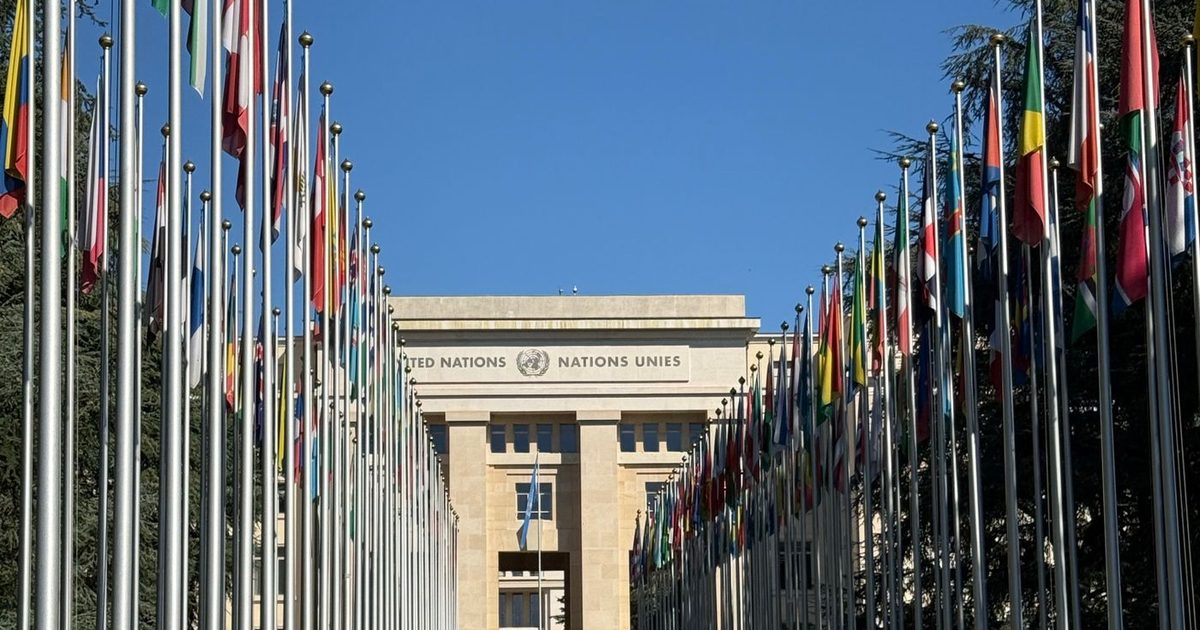
The COP31 United Nations climate summit in Antalya, Turkey, ended on Sunday 22 November 2026 without an agreed outcome, after the European Union and several other countries rejected a final draft that did not mention fossil fuels. It is the first climate summit to close without a deal adopted by all parties since Copenhagen in 2009, according to Al Jazeera and RTE.
The talks were scheduled to end on Friday 20 November but ran into overtime, which Al Jazeera described as the longest on record. COP31 president Murat Kurum of Turkey said there was no consensus, that no new negotiating text would be drafted and that existing decisions would be implemented. Decisions need the agreement of nearly 200 countries.
The failure comes during a period of high energy prices and geopolitical tension linked to the Iran war. It also affects the UK, which is trying to cut energy bills and meet climate targets, and markets that price the energy transition.
We found no market or price reaction directly tied to the outcome, and we do not claim one.
Negotiators worked through the night into Sunday on a draft cover decision, sometimes called the Antalya Pact, put forward by the Turkish and Australian presidencies. The text was released at about 3am local time, according to the Irish Times. It was around ten pages long.
The draft referred back to the 2023 Dubai decision on transitioning away from fossil fuels but did not mention fossil fuels, oil, coal or a phase-out itself. It included a first formal acknowledgement that warming will overshoot 1.5C, a call for faster carbon removal, a goal to capture, reuse and store one billion tonnes of carbon, and a Turkish goal to raise electricity's share of final energy use to 35% by 2035. It also called for tripling climate finance without a baseline, according to RTE.
Mr Kurum said there was no consensus. Separate decisions on other issues, such as a just transition, were reported to have been adopted, though we have only seen that in secondary coverage.
The central dispute was the treatment of fossil fuels. Australia's opening draft on 17 November called for a faster phase-out. A slimmer draft on Thursday 19 November dropped all mention after Saudi Arabia and other oil producers reportedly objected, according to Al Jazeera. Climate finance was also a sticking point, according to RTE.
Saudi Arabia argued that all solutions should stay on the table and defended the language on carbon capture and removal. Australia's Chris Bowen, who presided over negotiations, called the outcome very disappointing, saying some parties demanded a mention of fossil fuels while others threatened a veto.
Darragh O'Brien, Ireland's climate minister, spoke for the EU as Ireland holds the rotating presidency. He said the bloc would not endorse a deal that left out fossil fuels, rejected greenwashing and said the summit was hijacked by some oil states, according to RTE and Reuters.
The UK delegate Kate Hughes said the outcome moves us backwards on the science and falls short of the urgency of overshoot, according to Reuters via Al-Monitor. We found no statement from Energy Secretary Ed Miliband or the UK government on the outcome.
China's delegation head Li Gao said China was disappointed but that this was not a failure of the multilateral process. UN Secretary-General Antonio Guterres said he was deeply disappointed. Campaign groups were harsh: Friends of the Earth's Asad Rehman accused the EU of hypocrisy over its own fossil expansion, 350.org called carbon removal a scam, and Mohamed Adow of Power Shift Africa called it the worst COP to date.
Turkey and Australia both bid to host. In November 2025 they agreed Turkey would host and Australia would preside over negotiations. The summit ran from 9 to 20 November at the Antalya Expo Center, with a leaders' summit on 11 and 12 November. The UN environment body confirmed in October that warming is set to exceed 1.5C, according to RTE.
The talks took place amid high energy prices and tension linked to the Iran war, according to Al Jazeera.
The failure does not change existing commitments, which remain in force, according to the presidency. For the UK, it removes the prospect of a stronger global signal on fossil fuels, which could affect long-term investment in renewables, though domestic policy such as the clean power targets remains in the government's hands.
Energy costs are a live issue. Cornwall Insight forecasts the household price cap will rise 26% in January 2027, driven by gas prices linked to the Middle East conflict, and Brent crude is trading around $92. OPEC+ is reported to meet on 29 November, though we could only verify that in one lower-tier source.
No new negotiating text will be drafted. The EU says a revised Climate Action Plan is due in the coming weeks, according to RTE. COP32 is due in Addis Ababa in 2027, and Kenya, speaking for the African Group, wants it to be Africa's COP. Belgium said the outcome was not the end of multilateralism.
Observers will watch whether groups of willing countries move ahead on fossil fuel commitments outside the UN process.
Sources: Al Jazeera (22 November 2026); RTE, AFP and Reuters (22 November 2026); Irish Times (22 November 2026); Al-Monitor, Reuters (22 November 2026); Nation Thailand (23 November 2026); IBTimes UK (18 November 2026); FinanceFeeds (23 November 2026).
Photo: Pexels.
No overall deal was adopted. The president said there was no consensus, though some separate decisions were reportedly adopted.
It objected to the draft leaving out any mention of fossil fuels, with Ireland's climate minister rejecting what he called greenwashing.
The UK delegate said the outcome moves us backwards on the science. We found no statement from ministers.
It is scheduled for Addis Ababa in 2027.
No. The presidency said existing decisions will continue to be implemented.
Reported Iranian strikes, tanker incidents and a hardened US stance, while Brent sits near $89. What it means for UK fuel.
Ukraine says it sank a Russian corvette in Libya; a Russian ship burned off Finland. What is verified and the risks.
Andy Burnham signed food, carbon and youth scheme deals in Brussels, but a tuition fees dispute and six months of talks hold up implementation until 2028.
The Saudi-Houthi war widened on 19-21 November with missiles on Riyadh and port threats. What it means for oil, UK fuel prices and inflation.
Top stories and analysis, straight to your email. No spam – unsubscribe any time.
By subscribing you agree to our Privacy Policy.