World
Iran-US Gulf standoff turns violent, yet Brent keeps falling
Reported Iranian strikes, tanker incidents and a hardened US stance, while Brent sits near $89. What it means for UK fuel.
Food, carbon-market and youth-scheme deals are expected at the UK-EU summit on 20 November; what is on the table and who objects.
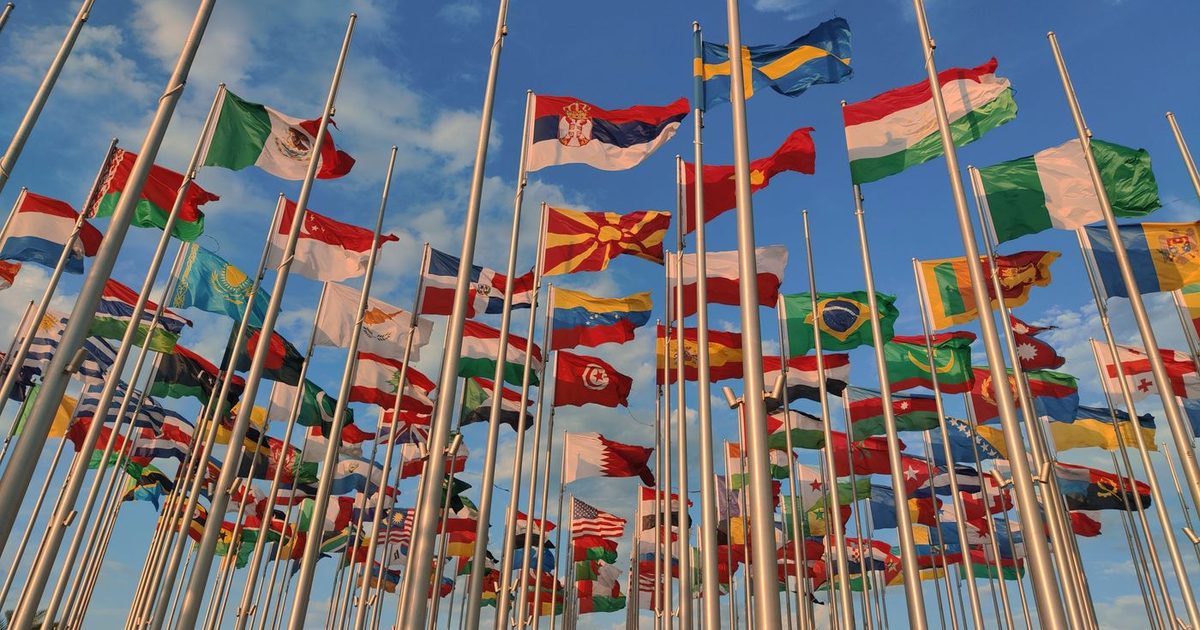
UK prime minister Andy Burnham is in Brussels on Friday 20 November 2026 for the second UK-EU summit, where three main agreements are expected: cutting red tape on food exports, linking the UK and EU carbon markets, and a "youth experience scheme". At the time of writing in the early morning, no source had reported the deals as signed; the Irish Times, syndicating the Financial Times, said Burnham was "expected to finalise a deal" and British officials were confident one would be signed.
AFP reported that EU member states approved the package late on Thursday 19 November, according to several diplomats, with UK final sign-off still needed. Talks went to the wire, and the key sticking point was whether London would commit to a future deal on tuition fees for EU students. EU lead negotiator Maros Sefcovic described the mood as "very positive" but the talks as "very detailed and sometimes very, very hard".
The summit matters for the UK economy, because it touches food prices, energy and carbon costs and young people's mobility. It is also politically charged: Burnham said ahead of the meeting that the hard Brexit the UK was given is "not good enough", and Conservative and Reform UK leaders have criticised him for reopening Brexit divisions.
This article explains what is on the table, based on reports dated 12 to 20 November. Details marked as expected may change when the final texts are published, and some figures come from leaked drafts reported by secondary sources and are labelled as such.
On food, certificates and controls on animal and plant products would be removed in return for the UK aligning with EU sanitary and phytosanitary rules. Reports citing draft documents give a 1 March 2028 start for full implementation, and the Irish Times says UK officials would advise, but not vote, on EU laws in areas such as agriculture and food standards. The UK government says the change could add up to £5.1bn a year, though no independent verification was found.
On carbon, the two sides are expected to link their emissions trading schemes. UK assessments put the benefit at up to £3.8bn a year, according to reports relaying EUobserver, and steel and aluminium would be shielded from the EU carbon border levy, which would otherwise affect about £6.5bn of UK exports. The Irish Times said UK businesses are expected to wait until 2028 for an exemption from EU carbon border taxes, and UK Steel's Frank Aaskov said industry would be disappointed by the lack of an exemption.
On youth mobility, the scheme would let under-30s, or up to 32 according to the Irish Times, live in each other's territory for up to three years to work, study or travel. The cap is reported at 100,000 each way a year, up from London's initial 50,000 offer. On university fees, reports conflict: one says the EU dropped its demand for home fees and the EU will not implement the agreements until the UK introduces a planned fee cut for EU students within six months.
Drafts also cover electricity, with both sides committing to conclude talks on UK entry to the EU internal electricity market in 2027, defence industry cooperation, a "Channel action plan" on irregular migration, and a digital partnership from early 2027. Chatham House noted there was no agreement yet on dynamic alignment for trade-defence measures such as tariffs on Chinese electric vehicles. The Irish Times reported a late-night breakthrough on a dispute in which France had sought to limit UK influence over new EU laws; the UK is expected to accept rights to be consulted.
Burnham said the deals would make the UK safer, reduce business paperwork and ease supermarket price pressure, and he has said he would walk away from a deal not in Britain's interests. Conservative leader Kemi Badenoch accused him of reopening referendum divisions, while the Conservatives say the government is preparing to make Britain a "rule taker" on farming. Reform UK called the push a "cynical political game". Liberal Democrat leader Ed Davey said the deal does not go far enough. Labour is divided on how far to go, according to AFP and others. An EU diplomat said France had "climbed down" and called the outcome "peace in our time".
Briefings for Britain, a Brexit-campaigning think tank, estimates costs of about £17.6bn in 2027, which should be treated as a partisan estimate. UK government figures for benefits are likewise from ministers.
The UK left the EU in 2020 after the 2016 referendum, in which 52% voted Leave. Burnham took office in July 2026 and the summit was delayed from July after the change of prime minister. At the Lord Mayor's Banquet on 16 November he said the UK had "lost more than we have gained" and cited estimates of Brexit damage ranging from 4% to 8% of GDP. After the summit he has said he will begin a discussion about long-term options, with broader options due in December, and the next general election is not expected until 2029.
Supporters say fewer food checks could lower costs for exporters and supermarkets, though any effect on shop prices would take time as the start date is 2028 in draft documents. Businesses in steel and aluminium are exposed to carbon costs, while professional services groups reportedly were disappointed that the EU rebuffed UK efforts on professional mobility. No market reaction was reported in the sources checked.
A joint statement and signed texts are expected on 20 November. A spokesman said legislation would go to Parliament the following week if a deal is reached. Electricity talks are meant to conclude in 2027, and the digital partnership begins in early 2027.
Sources: GOV.UK (12 October 2026); Irish Times / Financial Times (20 November 2026); AFP via TheJournal.ie (20 November 2026); Al Jazeera (17 November 2026); GlobeTV (20 November 2026); Europeans24 (November 2026); Brussels Morning (November 2026); SchengenVisaInfo (13 November 2026). The outcome was not confirmed when this article was written.
Photo: Pexels.
It is the second summit between the UK and the EU, held in Brussels, following the first in London in May 2025.
Not as of the reports checked early on 20 November, which describe the deals as expected to be finalised.
It would let young people live, work or study in each other's territory for up to three years, with a reported cap of 100,000 a year each way.
No, Burnham has kept the red lines of no single market, customs union or freedom of movement for this parliament.
The government says it would cut red tape and ease price pressure, but draft documents give a start date of March 2028.
Conservatives say the UK would become a rule taker and Reform UK calls it a cynical political game, while the Liberal Democrats say it does not go far enough.
Reported Iranian strikes, tanker incidents and a hardened US stance, while Brent sits near $89. What it means for UK fuel.
Ukraine says it sank a Russian corvette in Libya; a Russian ship burned off Finland. What is verified and the risks.
Andy Burnham signed food, carbon and youth scheme deals in Brussels, but a tuition fees dispute and six months of talks hold up implementation until 2028.
The COP31 climate talks in Antalya ended on 22 November with no agreed outcome after the EU and others rejected a draft that left out fossil fuels.
Top stories and analysis, straight to your email. No spam – unsubscribe any time.
By subscribing you agree to our Privacy Policy.