Property
Knight Frank cuts 2027 UK house price forecast to 1%
Knight Frank trims 2027 UK price growth to 1% and sees prime central London down 3%, as swap rates and politics weigh.
Rightmove asking prices fell 1.8% in the latest monthly survey and Zoopla reports first-time buyer enquiries down 27%, as higher mortgage rates weigh on demand.
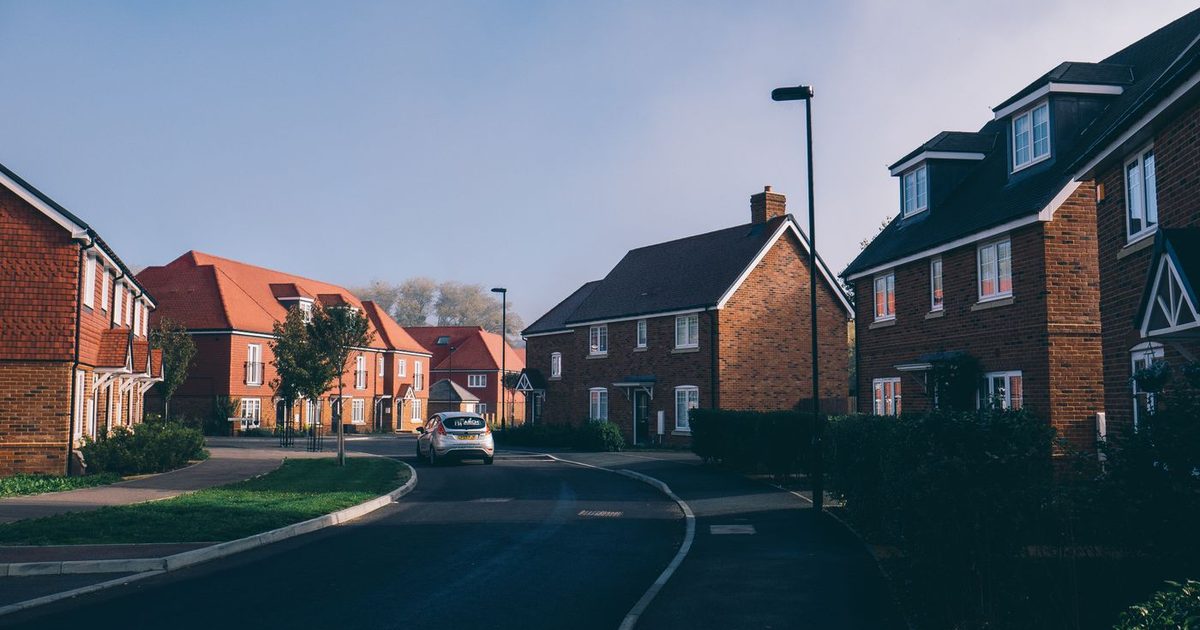
The latest industry surveys paint a picture of a UK housing market cooling as borrowing costs bite. Rightmove reported on 17 November 2026 that average asking prices fell 1.8% in the month to 7 November, a bigger drop than the 1.1% that is typical for this time of year, while Zoopla said on 13 November that first-time buyer enquiries were down 27% on a year earlier.
These figures are a few days older than most of our reporting, but they are the latest full monthly readings from the two big property portals, and they matter because they show how the market has reacted to the Bank of England's decision to raise Bank Rate to 4% in early November. We have not found a fresher monthly index published since.
Rightmove said asking prices were 0.2% lower than a year earlier, having risen 1.0% in the equivalent period last year. Zoopla found that sales agreed in the week to 8 November were down 10.5% on the previous year, and that the number of homes for sale had risen 8.6%.
Together the surveys suggest buyers are holding back, sellers are being forced to cut prices, and the number of properties on the market is at a 12-year high, according to Rightmove.
Rightmove's survey of homes marketed between 11 October and 7 November showed the 1.8% monthly fall, as reported by Reuters. Buyer demand was 8% lower than a year earlier and agreed sales were 7% lower. New listings were 3% higher, and the stock of homes for sale was at a 12-year high.
Colleen Babcock of Rightmove said higher mortgage rates have weighed on the market for months and that sellers are adjusting to tighter buyer budgets. Rightmove expects asking prices to end 2026 lower than they finished 2025.
Rightmove put the average two-year fixed rate at 5.51%, slightly down from 5.55%, compared with 4.25% before the Iran war pushed up energy prices and inflation expectations. That measure differs from the 5.97% two-year figure we reported earlier in November from Moneyfacts, because the two use different methods and product samples.
Zoopla's data, reported by Mortgage Solutions on 13 November, shows first-time buyer enquiries down 27% on the year, sales agreed down 10.5% in the week to 8 November, homes for sale up 8.6% and new supply up 9%. Average prices were still 0.8% higher than a year earlier, although regional patterns differ.
Prices in the South East were down 0.6%, London 1%, the East of England 0.5% and the South West 0.4%. By contrast, prices rose 3.2% in the North West, 2.5% in Scotland and 2.4% in the North East. Zoopla estimated that buyers' purchasing power has fallen by an average 15% since the start of the year.
Richard Donnell of Zoopla linked buyer hesitation to expectations of further rate rises and to the Bank of England decision, and advised sellers to price realistically. First-time buyers made up about four in ten sales last year, so weakness in that group matters for the whole chain.
Not all the news for borrowers is bad. According to a weekly industry round-up published on 13 November, Barclays cut some rates by up to 0.40 percentage points from 11 November, and Yorkshire Building Society cut up to 0.30 points on 13 November, taking its two-year fee-free fix to 5.06% and its five-year to 4.82% at 60% loan-to-value. Several smaller lenders including Landbay, Molo and Fleet also trimmed rates.
Lenders price fixed rates off swap rates, which reflect market expectations of future Bank Rate moves. If those expectations ease, mortgage rates can fall even when the Bank is tightening. However, markets still price about 0.9 percentage points of additional tightening by the end of 2027, according to Reuters.
Lloyds Banking Group said house prices fell 1.2% year on year in October, the steepest annual drop in three years, as cited by Reuters. That sits alongside official data showing private rents rising and London house prices falling, which we covered earlier this month.
For sellers, the combination of more competition and cautious buyers means longer sale times and more negotiation. For buyers, it creates some bargaining power, though this is offset by the cost of finance.
First-time buyers face the toughest conditions, with higher deposits relative to prices, higher rates and tighter lender affordability tests. Those buying should compare total costs including fees, and consider how a payment would change if rates move.
Homeowners whose fixed deals are ending face higher payments than when they last fixed. Around 2.3 million fixed-rate deals are expected to expire by the end of 2027, according to Moneyfacts data reported earlier this month. Speaking to a whole-of-market broker can help compare options.
Sellers are being advised to price realistically from the outset, as overpriced homes tend to sit on the market and end up with larger reductions later.
The next Rightmove monthly index is expected in mid-December, although we have not confirmed the date. The Bank of England decides on Bank Rate on 17 December. Lender rate changes tend to move quickly in response to swap rate shifts, so mortgage pricing could change within days.
Because the surveys cover asking prices rather than completed sales, official figures from the Land Registry and ONS will provide the fuller picture in coming months.
Sources: Reuters via Cyprus Mail (17 November 2026); Mortgage Solutions (13 November 2026); Mortgage Professional Australia UK round-up, mpamag (13 November 2026). General information, not financial advice.
Photo: Pexels.
Rightmove reported a 1.8% fall in the month to 7 November, against a typical 1.1% fall at this time of year.
Rightmove's asking prices were 0.2% lower year on year, and Lloyds reported a 1.2% annual fall in October. Zoopla's index still showed a 0.8% rise, because measures differ.
Higher mortgage rates and expectations of further Bank Rate increases have reduced what many buyers can afford.
Some lenders cut rates in mid-November, but average two-year fixed rates remain well above the 4.25% seen before the Iran war.
Zoopla found the North West, Scotland and the North East rising, while London and the South were falling.
Knight Frank trims 2027 UK price growth to 1% and sees prime central London down 3%, as swap rates and politics weigh.
HMRC figures show October stamp duty of £1.34bn, down 12.3% on a year ago, while inheritance tax is on track for a record year. What it means for homeowners.
The Commonhold and Leasehold Reform Bill would cap ground rents at £250 from 2028 and make commonhold the default for most new flats.
UK private rents rose 3.8% in the year to October and house prices 1.2% to September, but London fell 3.5%. Regional detail and what next.
Top stories and analysis, straight to your email. No spam – unsubscribe any time.
By subscribing you agree to our Privacy Policy.