Property
Asking prices fall 1.8% as buyers retreat after Bank Rate rise
Rightmove asking prices fell 1.8% in the latest monthly survey and Zoopla reports first-time buyer enquiries down 27%, as higher mortgage rates weigh on demand.
Knight Frank trims 2027 UK price growth to 1% and sees prime central London down 3%, as swap rates and politics weigh.
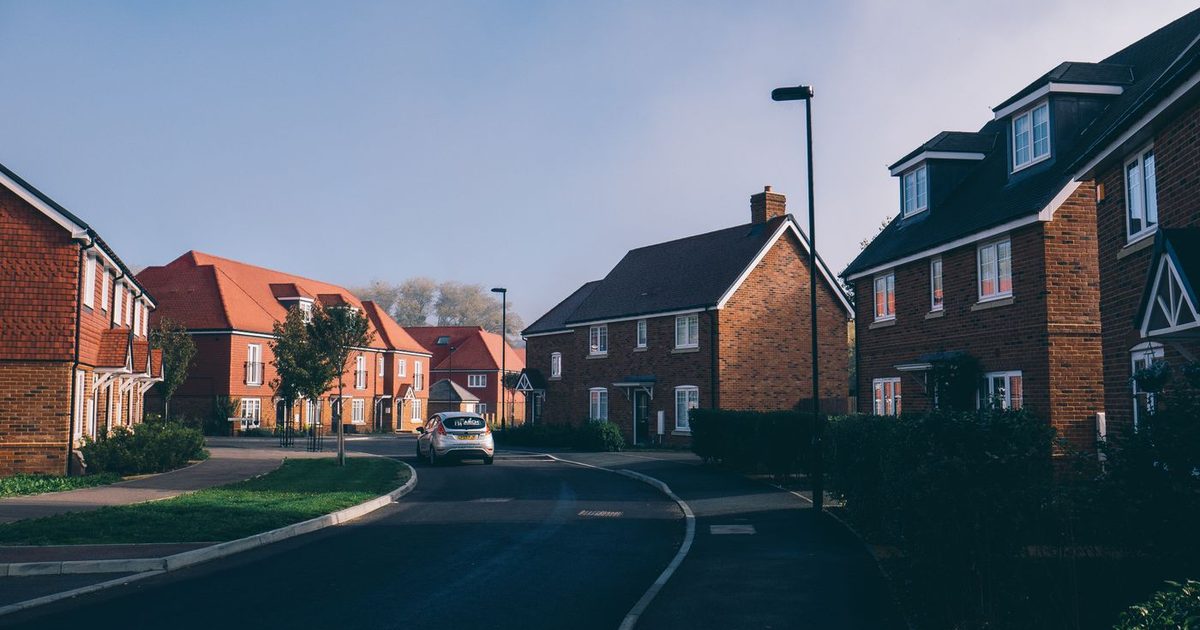
Knight Frank has cut its forecast for UK house price growth in 2027 from 3% to just 1%, blaming higher borrowing costs, political uncertainty and geopolitical instability. The estate agent and property consultancy, whose forecast was reported on 23 and 24 November 2026, also expects prices in prime central London to fall by 3% next year before stabilising.
The downgrade follows a run of weak signals from the housing market, including falling asking prices, a drop in mortgage approvals and rising lender rates. It makes Knight Frank one of several forecasters to mark down their outlook as the Bank of England's rate rises and the effects of the Middle East conflict filter through to mortgage pricing.
The forecast is based on trade-press reports of Knight Frank's quarterly outlook, as the company's own release could not be opened for this article. The figures below are consistent across four separate reports, and quotes are paraphrased and attributed.
The headline change is the cut to next year's growth, which marks a retreat from the more optimistic outlook it published in April. Over the five years to 2031, cumulative growth has been cut to 14.2%. In prime markets the downgrades are larger: five-year growth in prime central London falls from 16.8% to 6.5%, while prime outer London is expected to be flat in 2027, rise in 2028 and grow 10.9% over five years, down from 16.4%. Prime country markets, covering homes above £750,000 outside London, are forecast to grow 9.3% over five years, compared with 12.9% before.
Knight Frank also expects Greater London to underperform the wider UK because of what it called the familiar affordability squeeze, with high prices relative to incomes and now higher mortgage costs on top.
Tom Bill, Knight Frank's head of UK residential research, said the headwinds identified in April were blowing harder, citing a more uncertain political backdrop, higher borrowing costs and continuing geopolitical instability. He said prime markets face even greater headwinds. According to Mortgage Solutions, he added that the outlook depends on how events in Washington rather than Westminster unfold, a reference to the influence of US policy on global interest rates.
The swap rate figures show why. Five-year swap rates, the wholesale cost that lenders use to price fixed deals, rose from about 3.5% before the Middle East war to 4.75% by mid-November. Lloyds data cited in the report showed prices falling 1.2% in the year to October, compared with a 1.2% rise in February, before the war began. Mortgage approvals fell 19% year on year in September.
Lenders have continued to adjust their pricing this week. Mortgage Solutions reported that NatWest raised a range of rates from 24 November, including a 0.18 percentage point rise on a buy-to-let two-year fixed remortgage at 65% loan-to-value to 4.93%, and a 0.05 point rise on a first-time buyer two-year fix to 5.52%. Santander cut some two- and three-year fixed rates by 0.13 points to 4.92% and a five-year fix by 0.06 points to 4.93%, while raising some high loan-to-value remortgage rates.
Knight Frank expects rents to rise faster than prices, with an 18.1% increase forecast over five years nationally and 19.2% in London, compared with 14.2% for house prices. Property Industry Eye reported that the firm attributes the gap between the sales and rental markets to continuing supply constraints in lettings.
Landlords are also facing a heavier tax and regulatory burden, which Mortgage Solutions listed as a higher rate of tax on rental income, higher stamp duty, restricted mortgage interest relief, the Renters' Rights Act and energy-efficiency requirements. It also noted a council tax surcharge on high-value homes due in April 2028, and Mr Bill said the government is expected to look to property for tax rises. Higher costs for landlords can feed into rents, which is one reason tenants may see little relief.
Knight Frank is not alone in turning more cautious. The Negotiator reported that Connells, in an earlier forecast this month, expected prices to rise 1% in 2026, 1.5% in 2027, 2.5% in 2028 and 2% in 2029. Connells said high mortgage rates had delayed moves this year, leaving around 100,000 fewer transactions than expected, and that lower rates should help households resume postponed plans from 2027.
Property Industry Eye framed the Knight Frank outlook as stabilisation rather than a significant correction, dependent on rates and the economy. That reading is the outlet's own interpretation, and the forecast carries clear downside risks if rates rise further.
For buyers, slower price growth is not the same as cheaper homes. With mortgage rates elevated, monthly payments may stay high even where asking prices soften, and affordability tests can limit borrowing. Those coming off cheap fixed deals face a payment shock, which is the problem identified in recent analysis of the remortgage wave.
For sellers, a flat market means realistic pricing matters more. In prime London, a forecast fall of 3% in 2027 suggests longer selling times and more negotiation. Outside London, Knight Frank's head of country sales, James Cleland, said the market is more discretionary and lifestyle-led, which can make demand more sensitive to confidence.
For landlords and tenants, the forecast points to continued pressure. Tenants may face rents rising faster than prices, while landlords weigh the rising costs of holding property.
Knight Frank's outlook is explicitly conditional on rates and the wider economy. The next Bank of England decision is on 17 December, and mortgage lenders will continue to reprice as swap rates move. Watch for the next monthly price indices from the major lenders and Rightmove's December asking-price report. No government response to the forecast was found in the sources reviewed.
Sources: Mortgage Solutions (23 November 2026); The Negotiator (23 November 2026); Property Industry Eye (24 November 2026); Property Investor Today (24 November 2026); Mortgage Solutions lender round-up (23 November 2026). General information, not financial advice.
Photo: Pexels.
It expects growth of 1%, down from its earlier forecast of 3% published in April.
Knight Frank cites higher borrowing costs, political uncertainty and geopolitical instability, with five-year swap rates rising from 3.5% to 4.75%.
Prime central London is forecast to fall 3% in 2027, be flat in 2028 and rise from 2029.
Yes, Knight Frank forecasts UK rents up 18.1% over five years and London rents up 19.2%.
No, it implies a small rise on average nationally, though some regions and segments could fall.
Rightmove asking prices fell 1.8% in the latest monthly survey and Zoopla reports first-time buyer enquiries down 27%, as higher mortgage rates weigh on demand.
HMRC figures show October stamp duty of £1.34bn, down 12.3% on a year ago, while inheritance tax is on track for a record year. What it means for homeowners.
The Commonhold and Leasehold Reform Bill would cap ground rents at £250 from 2028 and make commonhold the default for most new flats.
UK private rents rose 3.8% in the year to October and house prices 1.2% to September, but London fell 3.5%. Regional detail and what next.
Top stories and analysis, straight to your email. No spam – unsubscribe any time.
By subscribing you agree to our Privacy Policy.