Personal Finance
FCA: some firms charged advice fees after clients died
The FCA found some investment firms kept taking advice fees after a death. What families and executors can ask for.
NS&I raised four variable rates after the Bank Rate rise, but Moneyfacts says better returns exist elsewhere. New rates, comparisons and tax changes explained.
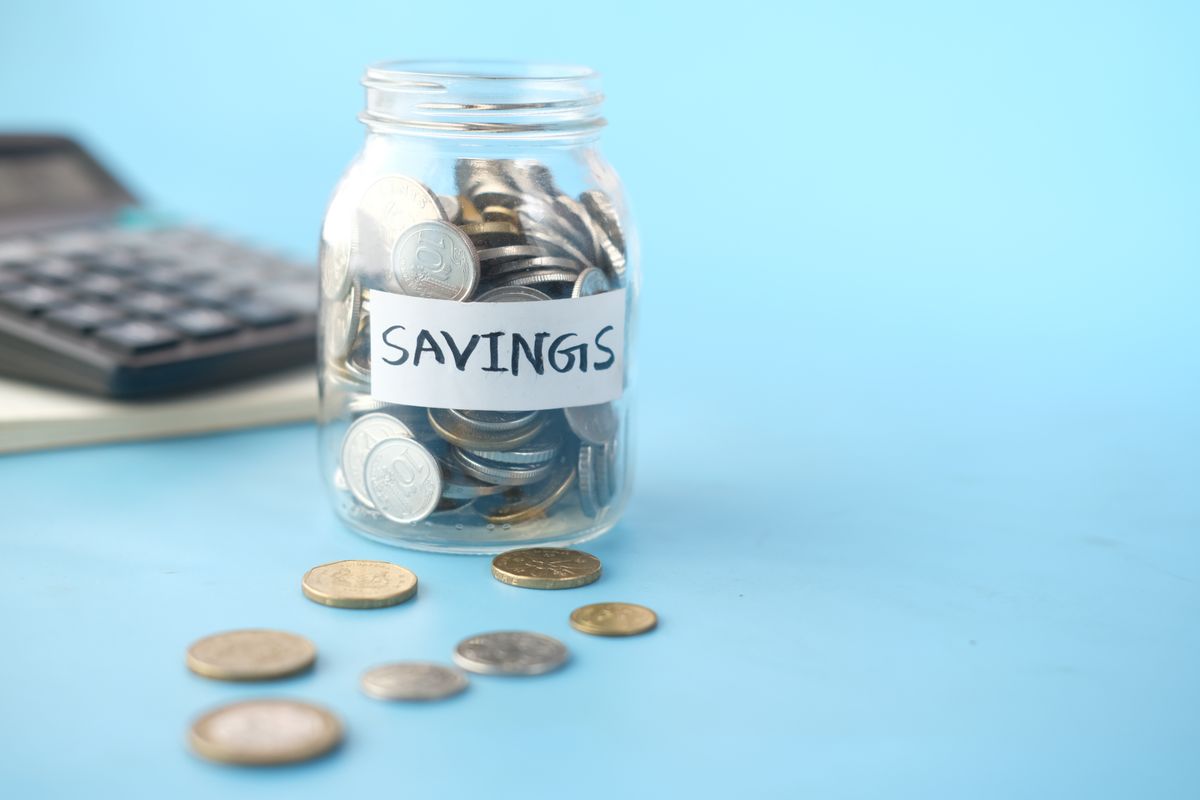
NS&I, the government-backed savings provider, raised the interest rates on four of its variable-rate accounts with effect from Thursday 19 November 2026. The Direct Saver now pays 4.00% AER, up from 3.75%, while the Direct ISA pays 4.05% AER tax-free, up from 3.80%. Income Bonds and the Junior ISA also went up.
The increases follow the Bank of England's decision on 5 November to raise Bank Rate from 3.75% to 4.00%, its first rise since August 2023. NS&I retail director Andrew Westhead said the changes respond to the wider savings market and will help the organisation meet its financing target while balancing the interests of savers and taxpayers.
But the new rates do not put NS&I at the top of the market. Moneyfacts, which tracks savings rates, said better returns are available elsewhere, although often with temporary bonuses. This guide sets out the new rates, how they compare, and what savers may want to weigh up. General information, not financial advice.
NS&I's press release lists the changes for the four accounts. The Direct Saver and Income Bonds had paid their previous rates since 18 August 2026, while the Direct ISA and Junior ISA rates had applied since 14 May 2026. The rises are 0.25 percentage points on the Direct Saver, Income Bonds and Direct ISA, and 0.20 points on the Junior ISA.
The Direct Saver pays interest yearly, needs a minimum of £1 and allows unlimited withdrawals. Income Bonds pay monthly, with a £500 minimum and withdrawals of £500 or more. The Direct ISA can be opened with £1 or more and, according to Moneyfacts, is not a flexible ISA, so withdrawn money cannot be replaced without using up allowance. Junior ISA interest is tax-free.
AER stands for annual equivalent rate, which lets savers compare accounts on a like-for-like basis. Gross is the rate paid before income tax. Where interest is paid once a year, gross and AER are the same.
Moneyfacts' figures for 19 November show the top easy-access account was LemFi's Instant Access Savings Account at 5.00% AER, including a six-month bonus of 1.14%. The top easy-access ISA was a Trading 212 Cash ISA at 4.90% AER, which includes a 12-month bonus of 1.05%. Subtracting the bonuses suggests underlying rates of around 3.86% and 3.85%, so the headline gap with NS&I narrows once the bonuses end. Rates can change daily, so these figures are a snapshot as of 19 November.
Rachel Springall of Moneyfacts said savers who prefer NS&I will welcome the rises and that the four accounts now beat CPI inflation of 3.6%. She cautioned against assuming that staying put earns the most competitive return, noting that much higher rates can be found elsewhere, and said NS&I tends to sit in a middle ground: a fair rate, but not leading the market. She expects interest rates to stay higher for longer.
NS&I's fixed-term products pay more than its easy-access accounts. When it refreshed British Savings Bonds on 6 October, the one-year Growth Bond paid 4.99% and the five-year Growth Bond 5.17%, compared with 4.00% on the Direct Saver. Fixed rates tie up money for the term, so they suit savers who will not need access.
The Bank of England raised Bank Rate by 0.25 percentage points to 4.00% on 5 November, with eight of nine Monetary Policy Committee members voting for the increase and one favouring a larger 0.5-point rise. UK inflation was 3.6% in October, and the Bank expects it to reach about 5% in the second quarter of 2027, driven by energy costs linked to the Middle East conflict. Governor Andrew Bailey said the rise should not be seen as the start of an inevitable sequence, but that unless the conflict is resolved a further increase seems unlikely to be the last.
NS&I does not simply follow Bank Rate. It has a financing target set by the government, £15bn plus or minus £4bn for 2026-27, which counts deposits and retained interest net of withdrawals and prize payments. Rate changes are one of the tools it uses to manage that target.
The tax treatment of savings matters when comparing accounts. According to Moneyfacts' summary of the Autumn Budget on 28 October, the Cash ISA allowance remains up to £20,000 a year, after the planned cut for under-65s was dropped. From 6 April 2027, income tax rates on savings income rise by four points, to 24% for basic-rate, 44% for higher-rate and 49% for additional-rate taxpayers, while the Personal Savings Allowance stays at £1,000 for basic-rate and £500 for higher-rate taxpayers.
HMRC estimates 3.8 million people will pay more tax on savings by 2029-30. As an illustration only, a basic-rate taxpayer earning 4.00% gross on interest above their allowance would keep about 3.04% after tax at the new rate, compared with 4.05% tax-free in the Direct ISA. Individual situations differ, and many savers remain within their allowance.
Savers can compare easy-access and fixed deals on Moneyfacts or MoneySavingExpert before moving money. NS&I deposits are fully backed by HM Treasury, while other banks and building societies are covered by the Financial Services Compensation Scheme up to £120,000 per person per banking licence. Bonus rates typically drop after a set period, so it is worth diarising the end date.
The Bank of England announces its next rate decision on 17 December. Moneyfacts expects further rises in Bank Rate, which could influence savings rates, though it did not give a figure or date. NS&I last moved its Direct Saver rate three months before this change.
Sources: NS&I press release, "NS&I increases interest rates for four variable accounts" (19 November 2026); Moneyfactscompare.co.uk (19 November 2026); Brit Brief (19 November 2026); NS&I press release on British Savings Bonds (6 October 2026); Bank of England (checked 22 November 2026); Trustnet (5 November 2026); Moneyfactscompare.co.uk, Autumn Budget 2026 (28 October 2026). General information, not financial advice.
Photo: Pexels.
The Direct Saver pays 4.00% AER from 19 November 2026, up from 3.75%.
The Direct ISA pays 4.05% AER tax-free, up from 3.80%.
NS&I says deposits are 100% backed by HM Treasury.
No. Moneyfacts says higher rates are available elsewhere, although some include temporary bonuses.
NS&I said it responds to changes in the wider savings market, after the Bank of England raised Bank Rate to 4.00% on 5 November.
According to Moneyfacts' Budget summary, income tax rates on savings income rise by four points from 6 April 2027.
The FCA found some investment firms kept taking advice fees after a death. What families and executors can ask for.
Cornwall Insight forecasts the Ofgem price cap will rise 26% to £2,166 a year in January 2027. Ofgem is reported to confirm the figure on 25 November.
The FCA says 2018 rules helped cut persistent credit card debt from 7% to 3% of accounts; here is how the rules work and what to do.
Insolvency Service figures show 13,187 individual insolvencies in October, led by IVAs. What the numbers mean and where to get free help.
Top stories and analysis, straight to your email. No spam – unsubscribe any time.
By subscribing you agree to our Privacy Policy.