Personal Finance
FCA: some firms charged advice fees after clients died
The FCA found some investment firms kept taking advice fees after a death. What families and executors can ask for.
Cornwall Insight forecasts the Ofgem price cap will rise 26% to £2,166 a year in January 2027. Ofgem is reported to confirm the figure on 25 November.
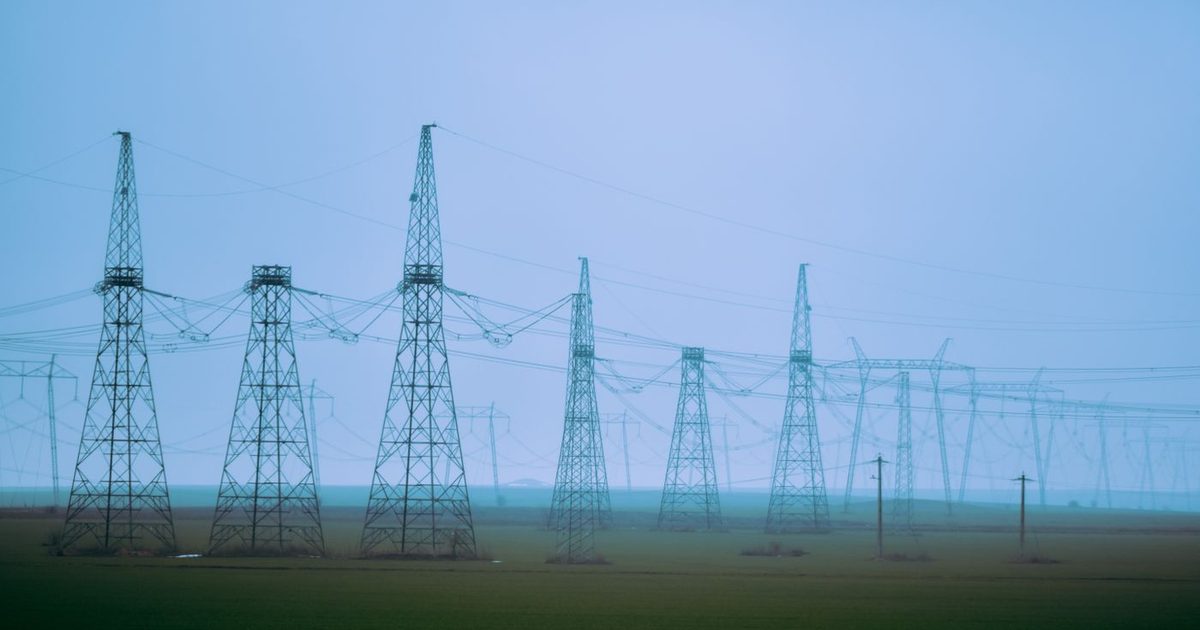
Millions of households in Great Britain are bracing for a sharp rise in energy bills in the new year. Energy consultancy Cornwall Insight forecasts that the Ofgem price cap will rise by 26%, or £443, to £2,166 a year for a typical dual-fuel household from 1 January 2027, up from £1,723 now. Two consumer energy sites report that Ofgem will confirm the official figure on Wednesday 25 November, although we could not verify the date on Ofgem's own website.
If the forecast proves right, it would be the highest cap level since 2023. The Bank of England's November Monetary Policy Report had already estimated a figure of around £2,150, so the forecast is in line with official expectations.
The forecast dates from 18 November and the final announcement is still to come, so we treat the numbers below as projections rather than confirmed prices. They are based on a typical household using 2,500 kilowatt-hours of electricity and 9,500 kilowatt-hours of gas a year, paying by direct debit.
Cornwall Insight blames high and volatile wholesale gas prices linked to disruption in the Middle East, including the Iran conflict that began in March, as well as record-low gas storage levels in Europe.
Cornwall Insight's final forecast for the cap period 1 January to 31 March 2027 is £2,166 a year for a typical household, a rise of 26%. Within that, the electricity unit rate would rise about 19% to 32.54p per kWh and the gas unit rate about 26.8% to 10.90p per kWh. The forecast already includes the removal of VAT on domestic electricity, which would otherwise make the increase larger.
The current cap rose 4% in October. Ofgem reviews the cap every three months, using wholesale prices in an earlier observation window, so what happens in energy markets in the weeks before the announcement determines the level.
Dr Craig Lowrey of Cornwall Insight said the timing could hardly be worse with a cold winter ahead, and said the planned £100 payment and the VAT cut only partly offset the increase.
Britain relies on gas to set the price of much of its electricity, so wholesale gas prices feed into both. Disruption to Gulf shipping and supply since the Iran conflict began has kept prices high and volatile. Black Sheep Utilities noted that European gas storage is at record lows, and said, citing the Press Association, that wholesale prices had eased in recent weeks but not enough to avoid a January rise.
Brent crude, a separate market, has fallen over November to around $92 a barrel on hopes of de-escalation, but gas and oil do not always move together, and storage levels matter for winter supply.
The Office for National Statistics reported on 18 November that UK inflation rose to 3.6% in October, with motor fuel prices up 33.2% on the year. The Bank of England expects inflation to approach 5% by the middle of 2027, with energy a major contributor.
Simple division suggests a rise of £443 a year is about £37 a month for a typical household. That is our own arithmetic rather than an official figure, and actual bills depend on how much energy is used. Households with electric heating, larger homes or low-efficiency boilers could see larger increases, while those who use less will see smaller ones.
The cap sets the maximum unit rate and standing charge suppliers can charge on standard variable tariffs. It does not limit the total bill. People on fixed tariffs are not affected by the cap until their fix ends, though some fixed deals are priced above the cap.
Households in Northern Ireland are not covered by Ofgem's cap and are regulated separately.
The government has announced a £100 Household Energy Payment for homes in council tax bands A to D in England, to be paid from January 2027, reaching up to 20 million households, according to coverage of the forecast. VAT on domestic electricity is due to be cut from 5% to 0% until 30 June 2027, which is already reflected in the forecast.
Ministers have also proposed removing gas standing charges from as early as 2027, although the timing is unconfirmed. MoneySavingExpert described the standing charge proposal as a win in last month's Budget, according to a headline we saw but did not read in full, so we do not rely on the detail.
Anyone struggling with bills can contact their supplier, which has a duty to offer support, and can check eligibility for existing schemes such as the Warm Home Discount.
The National Institute of Economic and Social Research has warned of the risk of a price-wage spiral if energy-driven inflation feeds into pay settlements. City AM reports some economists want the Bank of England to raise Bank Rate from 4% to as high as 5%.
Higher energy bills also reduce households' spending power elsewhere, which can weigh on retailers and the wider economy during the Christmas trading period.
Ofgem is reported to announce the official cap on Wednesday 25 November, with the new level applying from 1 January. Taking meter readings on 31 December can help ensure you are billed correctly for old and new rates. Households can compare tariffs on regulated comparison sites, but a fixed deal is only worth considering if it is priced below the expected cap or offers other benefits.
Improving insulation and using energy more efficiently can reduce bills regardless of the cap. We will update our coverage when the official announcement is published.
Sources: IBTimes UK (18 November 2026); City AM (18 November 2026); The Eco Experts (18 November 2026); Black Sheep Utilities (18 November 2026); Office for National Statistics, CPI (18 November 2026). General information, not financial advice.
Photo: Pexels.
Cornwall Insight forecasts £2,166 a year for a typical household, up 26% from £1,723. The official figure is due from Ofgem, reportedly on 25 November.
Households in England, Scotland and Wales on standard variable tariffs. Northern Ireland is not covered.
No. It limits the price per unit of energy and the daily standing charge, so your bill still depends on how much you use.
A £100 Household Energy Payment is planned for council tax bands A to D in England, and VAT on electricity is due to fall to 0% until 30 June 2027.
This is not personal advice. A fixed deal can protect against rises but may cost more than the cap, so compare carefully.
The FCA found some investment firms kept taking advice fees after a death. What families and executors can ask for.
NS&I raised four variable rates after the Bank Rate rise, but Moneyfacts says better returns exist elsewhere. New rates, comparisons and tax changes explained.
The FCA says 2018 rules helped cut persistent credit card debt from 7% to 3% of accounts; here is how the rules work and what to do.
Insolvency Service figures show 13,187 individual insolvencies in October, led by IVAs. What the numbers mean and where to get free help.
Top stories and analysis, straight to your email. No spam – unsubscribe any time.
By subscribing you agree to our Privacy Policy.