Personal Finance
MPs want fake Black Friday discounts banned; Which? finds few real deals
MPs want misleading was/now prices banned by Black Friday 2027. Which? found 22% of deals at year-low prices; MoneySavingExpert disagrees.
Ofgem's January to March 2027 cap lifts the typical bill by £443 a year to £2,166. Here is what is known about support and your options.
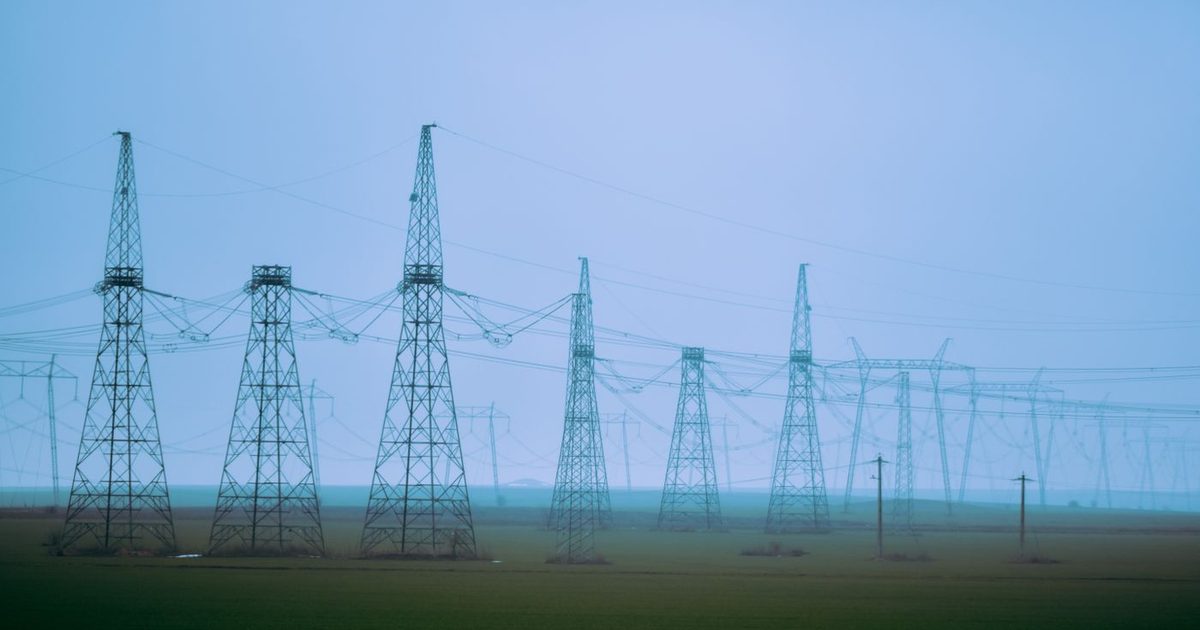
The energy price cap will rise by 26% from 1 January 2027, lifting the typical annual dual-fuel bill in Great Britain to £2,166, according to reports of the announcement made on Wednesday 25 November 2026. That is £443 more than the £1,723 a year under the cap that has applied since October, or roughly £37 extra a month for a typical household paying by direct debit.
The new cap covers 1 January to 31 March 2027 and is the highest level in about four years. It matches the figure that consultancy Cornwall Insight had forecast a week earlier. Ofgem has said the rise is driven by higher energy costs linked to the Middle East conflict, which has pushed up wholesale gas prices.
The figures below are as reported by news outlets on the day, because Ofgem's own release could not be opened while this article was prepared. Households should check ofgem.gov.uk or their supplier for unit rates and standing charges that apply to their region and payment method.
Ofgem confirmed the new level early on 25 November, with outlets including Deeside.com and Brit Brief reporting the 26% rise and the £2,166 figure. The Ofgem page for the current cap period had already said that the January to March levels would be announced on 25 November 2026. The cap is calculated on a typical household using 2,500 kilowatt hours of electricity and 9,500 kilowatt hours of gas a year.
Neil Kenward, Ofgem's director general for markets, is quoted as saying that the continuing conflict in the Middle East is driving energy costs higher and that the rise will worry many households as winter approaches. He urged people to check whether a fixed tariff suits them and said anyone struggling should contact their supplier, adding that Ofgem is writing to suppliers about their obligations. Uswitch's Richard Neudegg called it a very serious situation and urged households to act now.
The previous rise was far smaller. In August Ofgem announced a 4% increase to £1,723 for October to December, equivalent to about £60 a year, again citing higher wholesale gas costs. That increase was cushioned by the removal of VAT from domestic electricity bills.
Energy Secretary Miatta Fahnbulleh said she was concerned about another rise and that families have paid the price for overseas conflicts and volatile fossil fuel markets. Campaigners were more critical. Simon Francis of the End Fuel Poverty Coalition said households face the highest gas costs yet arriving in deep winter, while Caroline Abrahams of Age UK said government help is welcome but dwarfed by the size of the increase and that this could be one of the toughest winters in recent years for older people.
Citizens Advice said the £100 payment covers less than two weeks of energy use for most households this winter, and its chief executive Dame Clare Moriarty warned that many people go into winter with no money left. Energy UK has said the average gas price is about 166% higher than before the Iran war began, that around £67 of the average annual bill covers unpaid debt, and that total energy debt could reach about £7 billion by year end.
The decision also matters for inflation. The Bank of England raised Bank Rate to 4% on 5 November and expects consumer price inflation to approach 5% in the middle of next year, with energy a key driver. The new cap will feed into official inflation figures from January.
According to reports, the government will pay a £100 Household Energy Payment to up to 20 million households from January 2027. In England this is tied to Council Tax bands A to D, with equivalent schemes reported for Scotland and Wales, and a Welsh report says about one million households should receive it, automatically for those paying council tax by direct debit. The Warm Home Discount of £150 continues for about six million lower-income households.
Reports differ about how long and by how much the VAT cut on electricity runs, with some giving June 2027 and an estimated saving of about £45 a year and Ofgem's earlier page referring to 31 March 2027. Check GOV.UK for the current position. The autumn budget also reportedly includes plans to scrap gas standing charges, but no start date has been published.
Anyone struggling should ask their supplier about payment plans, hardship funds and priority services, and can apply to the Warm Home Discount or local council support schemes. Citizens Advice and Age UK offer free guidance.
The cap limits the price per unit of energy and the daily standing charge, not the total amount you pay, so a household using more than the typical level will pay more than £2,166. Households that use less, for instance because of efficiency measures, will pay less. Ofgem reduced its assumed typical consumption earlier this year, which is why the headline figure looks lower than it would have done under the old methodology.
About 10 million households on fixed deals are not affected until their fix ends. Uswitch says the cheapest fixed deal could save an average household around £412 over the January rates, but that depends on the tariffs on offer when you switch. Fixed deals can carry exit fees, so compare the cost carefully, and be wary of assuming prices will keep rising or fall back. Cornwall Insight's earlier forecast had unit rates of about 10.90p per kilowatt hour for gas and 32.54p for electricity, with daily standing charges of about 31p for gas and 56p for electricity, but these were forecasts, not confirmed figures.
Practical steps include submitting a meter reading before 1 January so your supplier bills accurately, checking whether paying by direct debit lowers your rate, and looking at simple efficiency measures such as lowering your thermostat or boiler flow temperature.
The next price cap period will run from 1 April 2027, and Ofgem will announce it in February. Wholesale prices have eased in recent weeks, but too late to affect the January calculation, so some analysts expect pressure to ease later in the year if oil and gas markets calm. That depends heavily on the Middle East, where the US and Iran remain in a stand-off.
The £100 payments are due to begin in January. Energy suppliers and the government are expected to publish more detail on eligibility and delivery in the coming weeks.
Sources: Deeside.com (25 November 2026); Brit Brief (25 November 2026); Ofgem price cap page for October to December 2026; Ofgem press release (26 August 2026); BBC text as reproduced by KhanList (25 November 2026); Cornwall Insight forecast via HeatGeek, City AM and IBTimes UK (18 November 2026). General information, not financial advice.
Photo: Pexels.
The typical dual-fuel bill rises to £2,166 a year from £1,723, a 26% increase of £443, according to reports of Ofgem's announcement.
It applies from 1 January to 31 March 2027.
No. It limits unit rates and standing charges, so your actual bill depends on how much energy you use.
Reports mention a £100 Household Energy Payment from January and the £150 Warm Home Discount for about six million households. Contact your supplier if you are struggling.
It depends on available deals and your circumstances. Uswitch says the cheapest fixed deal could save about £412 against January's cap, but compare exit fees and prices first.
The cap for the period starting 1 April 2027 is due to be announced in February.
MPs want misleading was/now prices banned by Black Friday 2027. Which? found 22% of deals at year-low prices; MoneySavingExpert disagrees.
The best cash ISA rates in late November 2026, the bonus catches to check, the £20,000 allowance and why ISAs matter ahead of April 2027 tax changes.
The FCA found some investment firms kept taking advice fees after a death. What families and executors can ask for.
Cornwall Insight forecasts the Ofgem price cap will rise 26% to £2,166 a year in January 2027. Ofgem is reported to confirm the figure on 25 November.
Top stories and analysis, straight to your email. No spam – unsubscribe any time.
By subscribing you agree to our Privacy Policy.