Property
Rents forecast to rise 14.2% by 2029, double house price growth
Hamptons forecasts newly let rents up 14.2% by Q4 2029 against 7.2% for house prices, as buy-to-let yields hit 7.22% but landlords stay away.
HMRC counted 92,310 residential sales in October, the lowest this year and 8% down on 2025, as mortgage costs rose and approvals slumped.

The number of UK homes changing hands fell to its lowest level of 2026 in October, according to provisional figures from HM Revenue & Customs (HMRC) published on Friday 27 November 2026. After seasonal adjustment, 92,310 residential sales completed, 2% fewer than in September and 8% fewer than in October 2025.
The decline matters because it comes before the full impact of the Bank of England's first interest rate rise in more than three years. On 5 November the Bank lifted Bank Rate from 3.75% to 4%, so the October data mostly reflect deals agreed over the summer, when borrowing costs were already climbing and speculation about the Autumn Budget was building.
Without seasonal adjustment, completions rose 7% on the month to 105,450, which is the normal autumn pick-up rather than a recovery. On that basis sales were still 10% lower than a year earlier. The next HMRC release, covering November, is due on 15 January 2027.
For buyers, sellers and anyone due to refinance, the figures are a snapshot of a market held back by stretched affordability, higher mortgage rates and uncertainty about tax. Several forward-looking indicators suggest the weakness may continue into the winter.
HMRC publishes monthly counts of property transactions worth £40,000 or more. The seasonally adjusted residential figure of 92,310 compares with a revised 94,420 for September; HMRC had first estimated 94,800. That works out as roughly 2,100 fewer sales in a month.
The annual comparison is sharper. Seasonally adjusted sales were 8% below October 2025, against a 4% annual fall in September. On the unadjusted measure, the annual decline widened from 5% to 10%.
Non-residential transactions, which include commercial property, farmland and purchases of six or more homes in one deal, moved the other way. The seasonally adjusted count was 11,050, up 4% on a year earlier. HMRC said the rise reflects activity before the Budget, and noted that earlier years showed a similar but larger peak. HMRC also stresses that figures for the latest month are provisional and usually settle after about three months.
HMRC counts completions, which typically happen two to four months after an offer is accepted. It therefore cautions that the data do not necessarily show the current strength of the market. The October figures largely capture deals struck in summer, a period of rising borrowing costs and growing talk about what the Chancellor would do on 28 October.
The Bank of England's decision on 5 November added to the pressure. It said higher energy prices linked to the conflict in the Middle East were feeding through to inflation, which it expects to reach about 5% by mid-2027. Before the November meeting, the median respondent in the Bank's market participants survey had expected a further rise to 4.25% in February. Fixed mortgage rates are widely expected to stay close to current levels of around 6% for typical products.
The Bank's Financial Stability Report on 26 November put figures on the burden. It said about 6.5 million homeowners face higher payments as their current deals end over the next three years, with the typical borrower coming off a fix paying about £100 more a month. It cited two-year fixed rates of 5.39% at 75% loan-to-value and 5.60% at 90%, up 0.47 and 0.28 percentage points since July.
Mortgage approvals are a leading indicator because they turn into completions after a lag. In September they fell for a third consecutive month to 53,400, the lowest since December 2023 and about 19% below the 65,900 approved a year earlier. Commentators quoted in trade coverage argued that those loans will complete over the winter, so October may not mark the bottom for transactions.
Within the totals, remortgaging with a new lender rose to 42,600 in September from 34,000 in August, while purchase approvals fell. That pattern is consistent with homeowners shopping around for a better deal rather than moving. Borrowers who do nothing when a fixed rate ends are moved to their lender's standard variable rate, which averaged 7.13% at the start of November according to Moneyfacts.
Ryan McGrath of Pepper Money said stretched affordability and pre-Budget uncertainty had weighed on activity, and that November's rate rise would have led many would-be movers to rethink their sums. Neil Knight of Spicerhaart Part Exchange and Group Clients said people with firm reasons to move were still going ahead, but warned that confidence would stay tested while the Middle East conflict continues and inflation and rate rises are expected.
For first-time buyers and home movers, the main message is that completions are slowing while prices of credit are higher. Lenders have continued to adjust pricing: this week Barclays cut selected rates, including a two-year fix at 60% loan-to-value to 4.87% with a £899 fee, and Nationwide launched a 1% deposit mortgage at 5.99%. Rates vary widely by deposit size, fee and term, so comparing the total cost is essential.
Anyone with a mortgage offer in progress should check how long it remains valid and whether a cheaper product is available before committing.
The Bank of England's Monetary Policy Committee meets again on 17 December, and any further rise would feed into new mortgage pricing. The November HMRC data on 15 January 2027 will be the first to cover the period after the rate rise and the Budget, though completions still lag offers.
Sources: HM Revenue & Customs, UK monthly property transactions commentary (27 November 2026); Mortgage Introducer via MPA, "Property transactions fall to lowest level of the year, HMRC data shows" (27 November 2026); Mortgage Introducer via MPA, weekly rates round-up (27 November 2026); Mortgage Introducer via MPA, "Mortgage payments to rise for millions, Bank of England warns" (26 November 2026). General information, not financial advice.
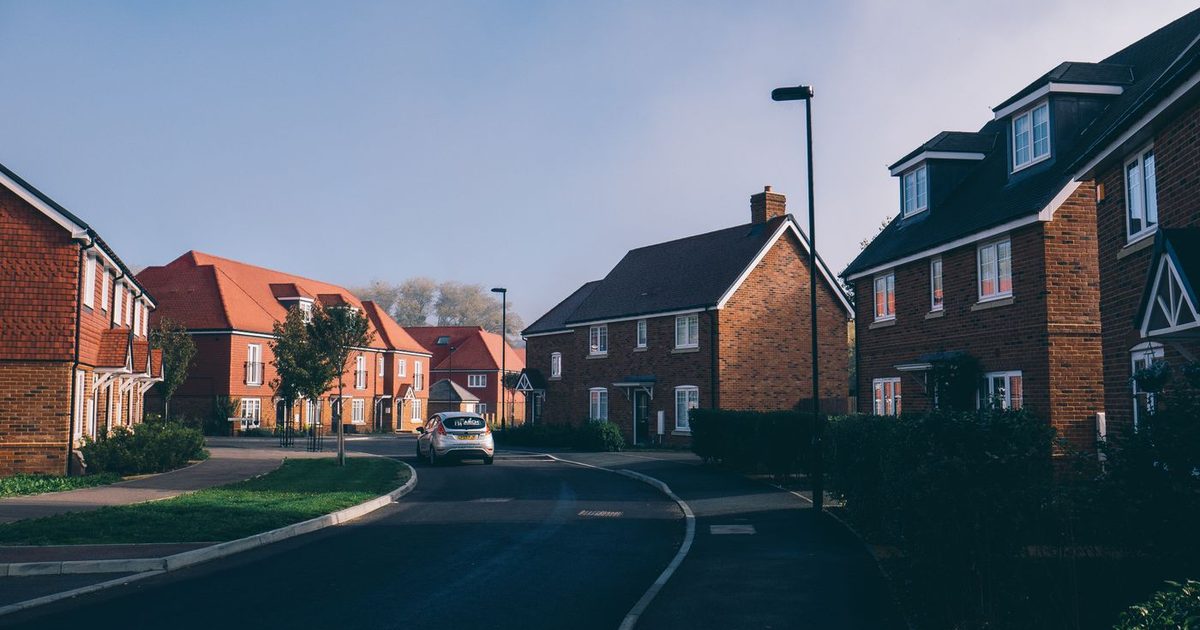
Photo: Pexels.
HMRC provisionally counted 92,310 residential transactions on a seasonally adjusted basis, the lowest monthly figure of 2026 so far. Unadjusted, the count was 105,450.
Seasonally adjusted sales were 8% lower than in October 2025, and unadjusted sales were 10% lower. In September the annual fall was 4% on the adjusted measure.
HMRC counts completions, which usually occur two to four months after an offer is accepted. October's data therefore mostly reflect deals agreed in the summer.
Yes. On 5 November 2026 it raised Bank Rate from 3.75% to 4%, its first increase in more than three years. The next decision is due on 17 December.
Approvals for house purchase fell for a third month in September to 53,400, the lowest since December 2023. Because approvals become completions with a delay, weak sales may continue into winter.
HMRC is due to publish provisional November 2026 figures on 15 January 2027.
Hamptons forecasts newly let rents up 14.2% by Q4 2029 against 7.2% for house prices, as buy-to-let yields hit 7.22% but landlords stay away.
Bank of England says 6.5m mortgages face a median £100 monthly rise, as it trims bank capital rules and Barclays cuts selected rates.
Nationwide's Helping Hand 1% deposit mortgage offers six times income at 5.99% fixed for five years. Here is who qualifies, the risks and expert views.
Draft rules would let the housing department claim part of the interest earned on tenancy deposits in England, possibly from March 2027.
Top stories and analysis, straight to your email. No spam – unsubscribe any time.
By subscribing you agree to our Privacy Policy.